

Stay Calm and Pull Over Safely
If the police stop you while driving, the first thing to do is remain calm. Avoid sudden movements, arguments, or attempts to drive away. Slow down, indicate appropriately, and pull over at a safe location where possible.
Once stopped, keep your hands visible and wait for the officer to approach. Being calm and respectful can help prevent the situation from becoming unnecessarily tense.
Keep Your Documents Ready
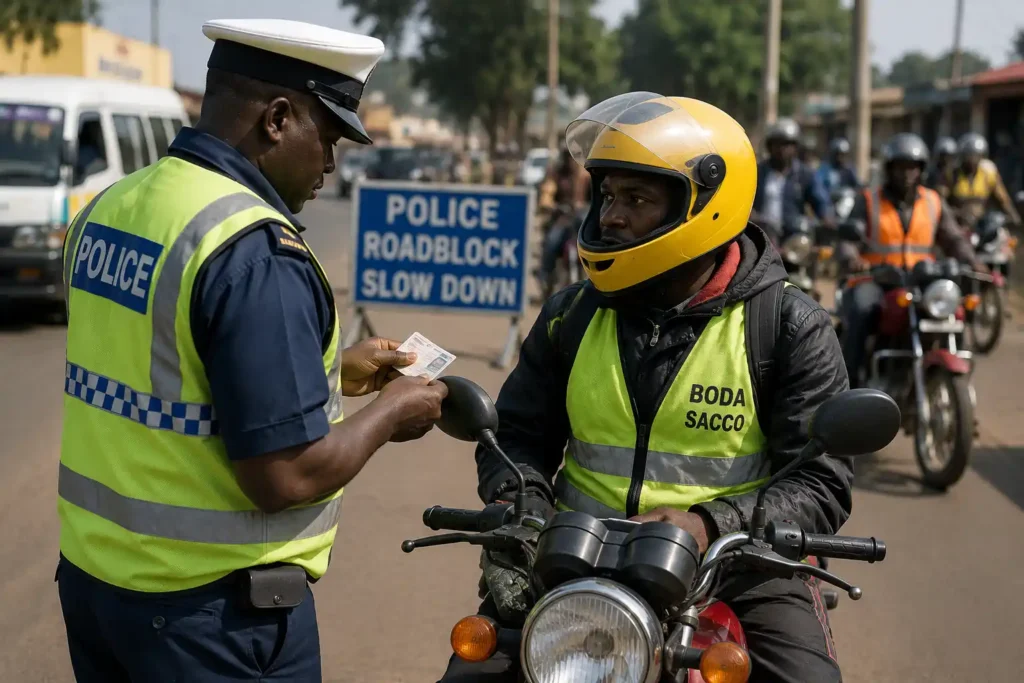
Have your driving documents available, including your driving licence and other documents that may be legally required. Present them when requested by the police officer.
Avoid searching through your vehicle unnecessarily while the officer is approaching. If you need to reach into the glove compartment or another area, tell the officer what you are doing first.
Understand Why You Have Been Stopped
A police officer may stop a driver for several legitimate reasons, including a traffic violation, a routine traffic check, suspected drunk driving, an accident, or another road-safety concern.
Ask Politely for the Reason
If the reason for the stop is not clear, you can politely ask why you have been stopped. Remain respectful even if you disagree with the reason given.
If you believe you have not committed an offence, avoid turning the roadside stop into an argument. You can challenge an unfair ticket or allegation through the appropriate legal process later.
Cooperate Without Giving Up Your Rights
Cooperating with lawful instructions does not mean that you must agree with everything the officer says. You should comply with lawful requests while remaining aware of your legal rights.
Avoid Bribery
Never offer money or another benefit to a police officer in exchange for being allowed to leave or avoid a traffic offence. If an officer requests an improper payment, remain calm and consider reporting the matter through the appropriate authorities.
What If You Are Issued With a Traffic Offence?
If the police allege that you have committed a traffic offence, listen carefully to the allegation and check any documentation you are given.
Do Not Sign Anything You Do Not Understand
Before signing a document, make sure you understand what it says and what it means. If something is unclear, ask for an explanation or seek legal advice where appropriate.
Keep Evidence of the Incident
If it is safe and lawful to do so, make a note of the time, location, officer details, vehicle details, and what happened. Keep copies of any documents, notices, or receipts provided to you.
When Should You Seek Legal Help?
If the situation involves an arrest, serious traffic offence, accident, alleged drunk driving, violence, or a dispute over your rights, consider contacting a qualified lawyer as soon as possible.
Know Your Rights and Responsibilities
Understanding basic road-traffic laws can help you handle police stops confidently and responsibly. Always remain respectful, avoid confrontation, and use the proper legal channels if you believe your rights have been violated.
A police stop does not have to become a stressful confrontation. Staying calm, cooperating with lawful instructions, keeping your documents in order, and knowing when to seek legal assistance can help you protect your interests while dealing with the situation appropriately.